IntegrationsDeveloper-first integration coverage

Integration paths that fit the stack you already have

Choose APIs, checkout flows, payment links, host-to-host, or SDKs backed by tokenization, zero-auth verification, observability, and production test keys on the same live orchestration layer.

Integration map
Live test keysTest on the same infrastructure that will carry production traffic.
Docs readyAPIs, SDKs, links, and hosted checkout stay close to the documentation.
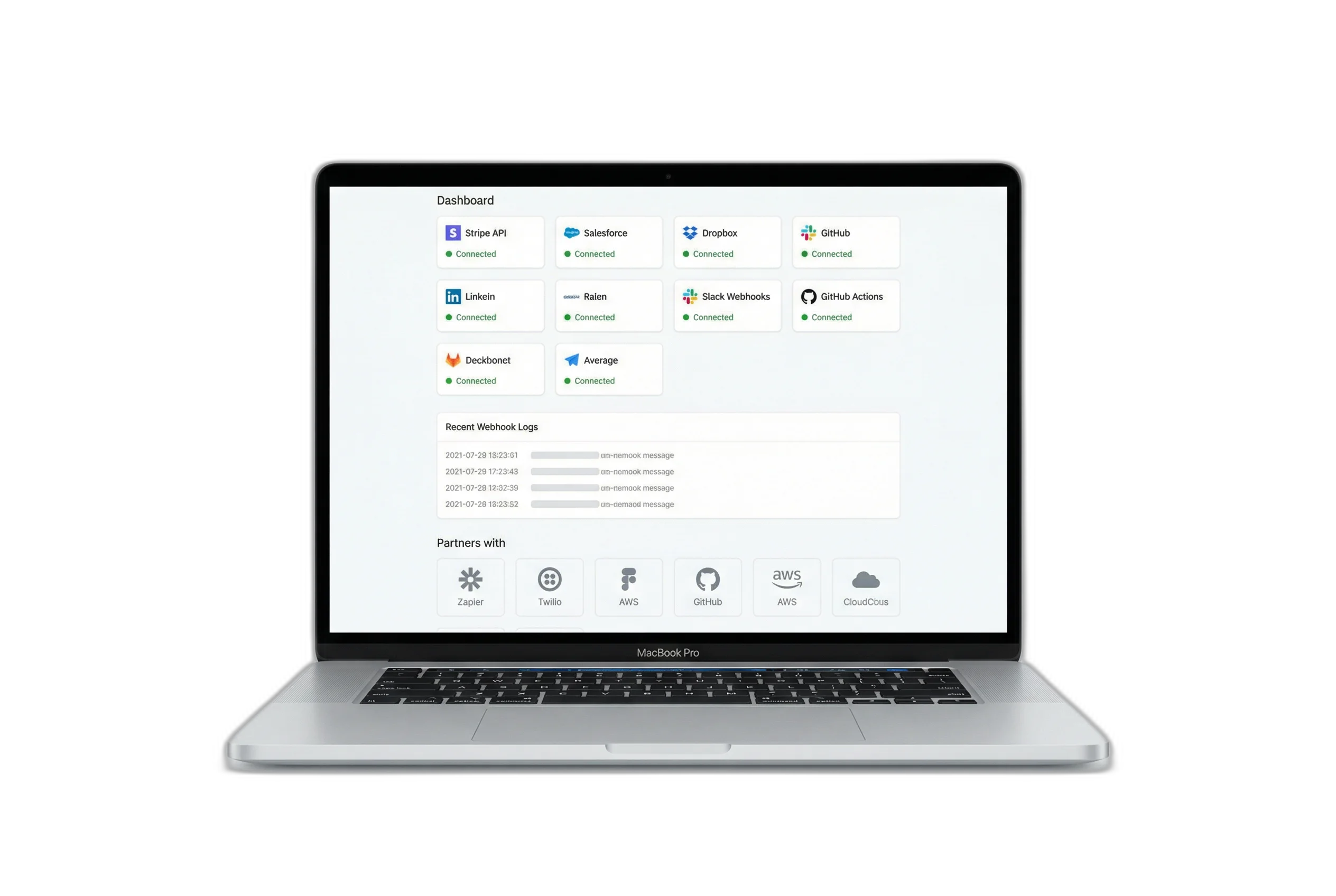
Choose your path

Different surfaces. One orchestration layer underneath.

a55 supports headless integrations, embedded SDKs, hosted flows, and low-code payment links without fragmenting observability, tokenization, or recurring readiness across separate stacks.

Host-to-host

Certified direct orchestration for teams that want full control

Use host-to-host or POS flows with certification playbooks, sample payloads, and observability that stay aligned with the live stack.

SDKs

Web and mobile SDKs with routing and trust signals built in

Embed payment methods, callbacks, tokenization, and authentication hooks while keeping orchestration decisions visible.

Hosted checkout

Checkout pages and payment links for fast go-live moments

Launch branded hosted experiences with PCI-light coverage, built-in 3DS prompts, and observability attached to every flow.

Production test keys

Validate against the live stack instead of a toy sandbox

Test traffic is flagged on production infrastructure, so engineers can verify webhooks, tokenization, and zero-auth flows with real behavior.

Production test keys

One live stack for test and production

Instead of validating critical payment behavior in an isolated sandbox, a55 issues production test keys that tag traffic as test on the live stack. That keeps webhooks, observability, tokenization, and zero-auth checks much closer to the environment you will actually launch.

Get started
Live stack validation
Benchmark matrix

Compare the three most common integration shapes.

Host-to-host, SDKs, and hosted checkout each give different levels of ownership, but all three share trust controls, tokenization, and recurring coverage on a55.

CapabilityHost-to-hostSDKHosted checkout
3DS and AF orchestrationRouting rules, trust controls, and data-only mirrors stay aligned across direct integrations and POS.Callbacks expose scoring and 3DS events so embedded experiences behave like the underlying API.Hosted checkout and links enforce trust controls per experience with branding and expiry settings.
Tokenization and vaultingPoint host-to-host and POS traffic at the shared vault and manage stored credentials from one place.SDK tokenization calls sync cards directly into the same shared vault used by the wider payment stack.Hosted flows tokenize automatically so subscriptions, invoicing, and later charges can start faster.
Zero-auth verificationZero-amount checks log alongside authorization and settlement telemetry for operational review.Run verification before storing credentials while preserving a native embedded UX.Hosted experiences can auto-run verification during card collection for later billing flows.
Recurring readinessSchedules, retries, and dunning hooks can be driven directly from your integration layer.Carry scheduling metadata and reuse saved payment methods inside your own product flows.Payment links and hosted checkout pair well with quick recurring launches and webhook-driven automation.
Documentation and onboarding

Start in the docs. Move into the right implementation path.

Review APIs, SDKs, payment methods, and integration options in the docs, then use the a55 intake flow when you are ready to map the right launch shape for your business.